Knowledge Base
Elderly Care Policy and Home Knowledge Base
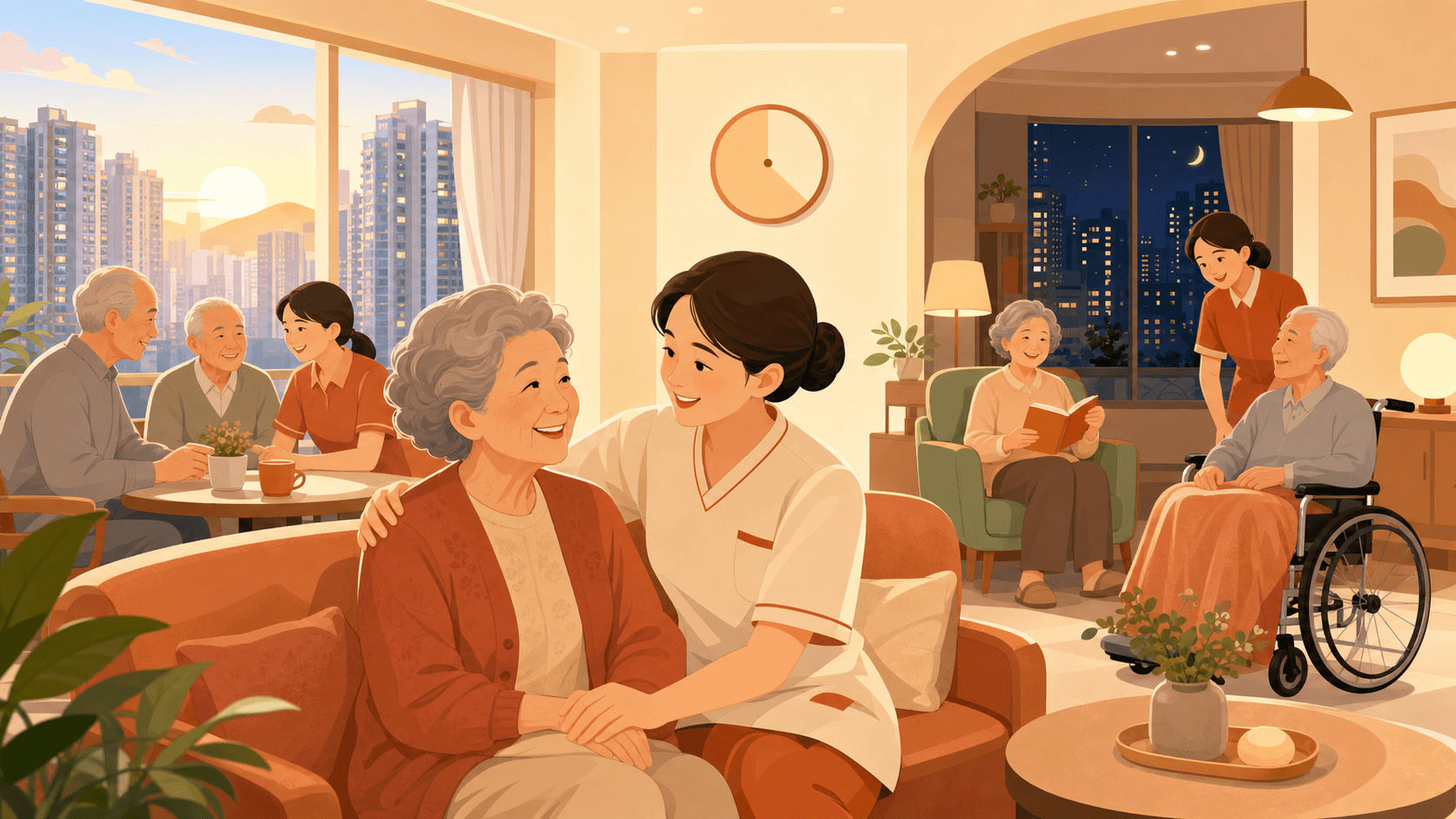
Residential Care Services
Residential Care Services Overview: Types, Waiting List and RCSV
When an older family member needs 24-hour care, residential care becomes the option to consider. This overview maps Hong Kong's residential care system — who qualifies, the five service-provision models, how to access subsidised places through SCNAMES and the Central Waiting List, current waiting times, the "money-following-the-user" Residential Care Service Voucher (RCSV), outreach professional services, and the current supply of places — and points you to the detailed guides.
Read article
政策概覽
Hong Kong Elderly Care Policy Overview: Residential Care and Community Care
A clear map of Hong Kong's elderly care system. As the population ages rapidly, the Government's policy direction is "ageing in place as the core, residential care as backup". Long-term care is organised around two pillars, residential care and community care, with SCNAMES and the Central Waiting List as the single entry gate. This overview walks you through the two pillars, entry mechanism, two voucher schemes and the residential care landscape, then points you to the detailed guides.
Read article
護老者支援
Carer Support Guide: Respite Services, Living Allowance, and Training Resources
Caring for an elderly family member at home is a full-time job with no days off. Hong Kong's "Ageing in Place" policy is built on a network of support for carers — short-term respite care, a monthly living allowance of up to HK$6,000, free training, and a 24-hour carer support hotline. This guide explains eligibility, fees, and how to apply, and tells you when to transition to more intensive community or residential care.
Read article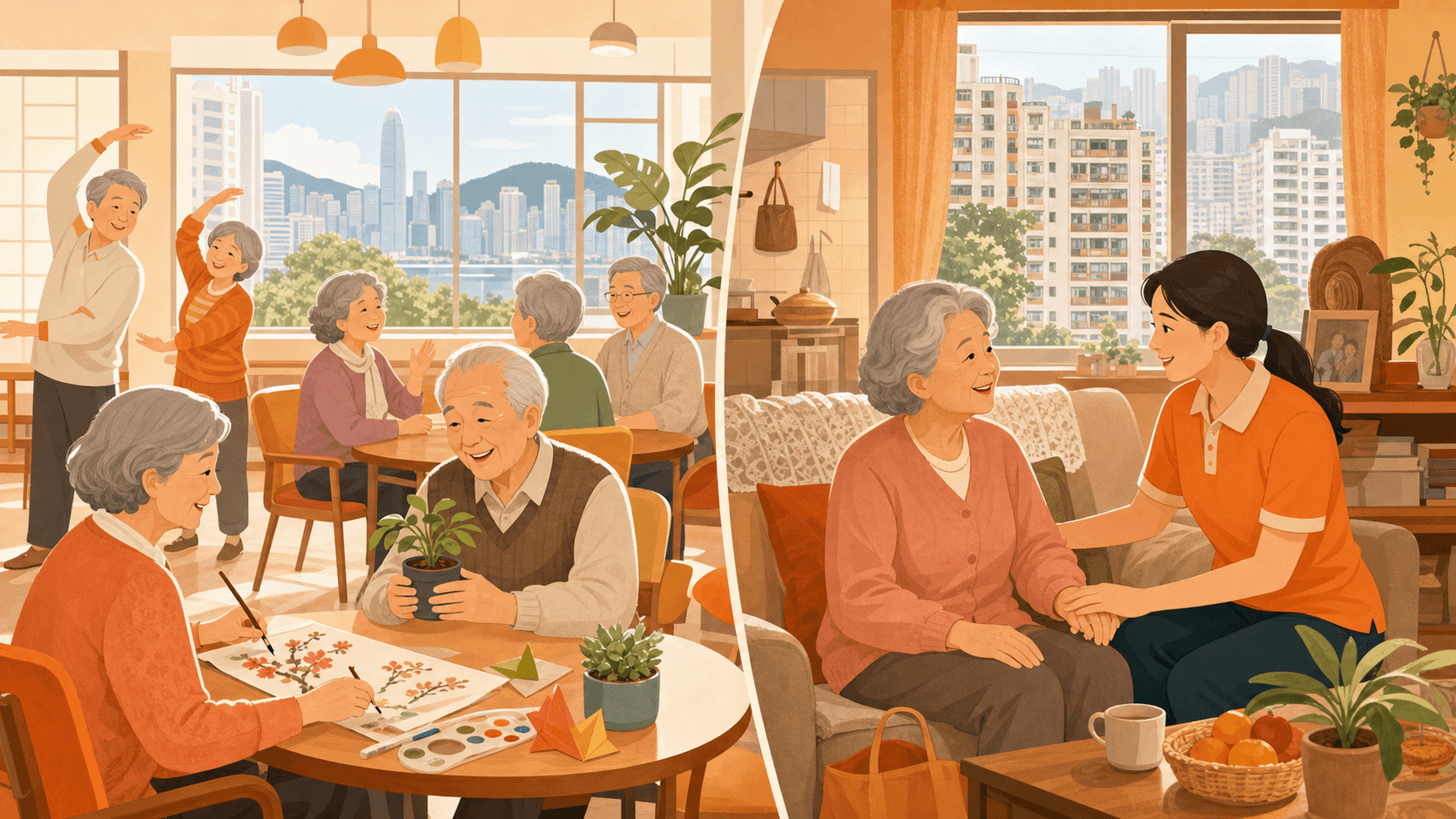
Community Care
Community Care Services Guide: Elderly Day Care, Home Care and CCSV
Hong Kong's elderly care policy is "ageing in place as the core, residential care as backup". This guide explains the three main pillars of community care: day care centres for the elderly, Frail Elderly Home Care Service, and the "money-following-the-user" Community Care Service Voucher (CCSV). It covers eligibility, service scope, fees and waiting arrangements, with a comparison table to help borderline cases choose between community care and residential care homes.
Read article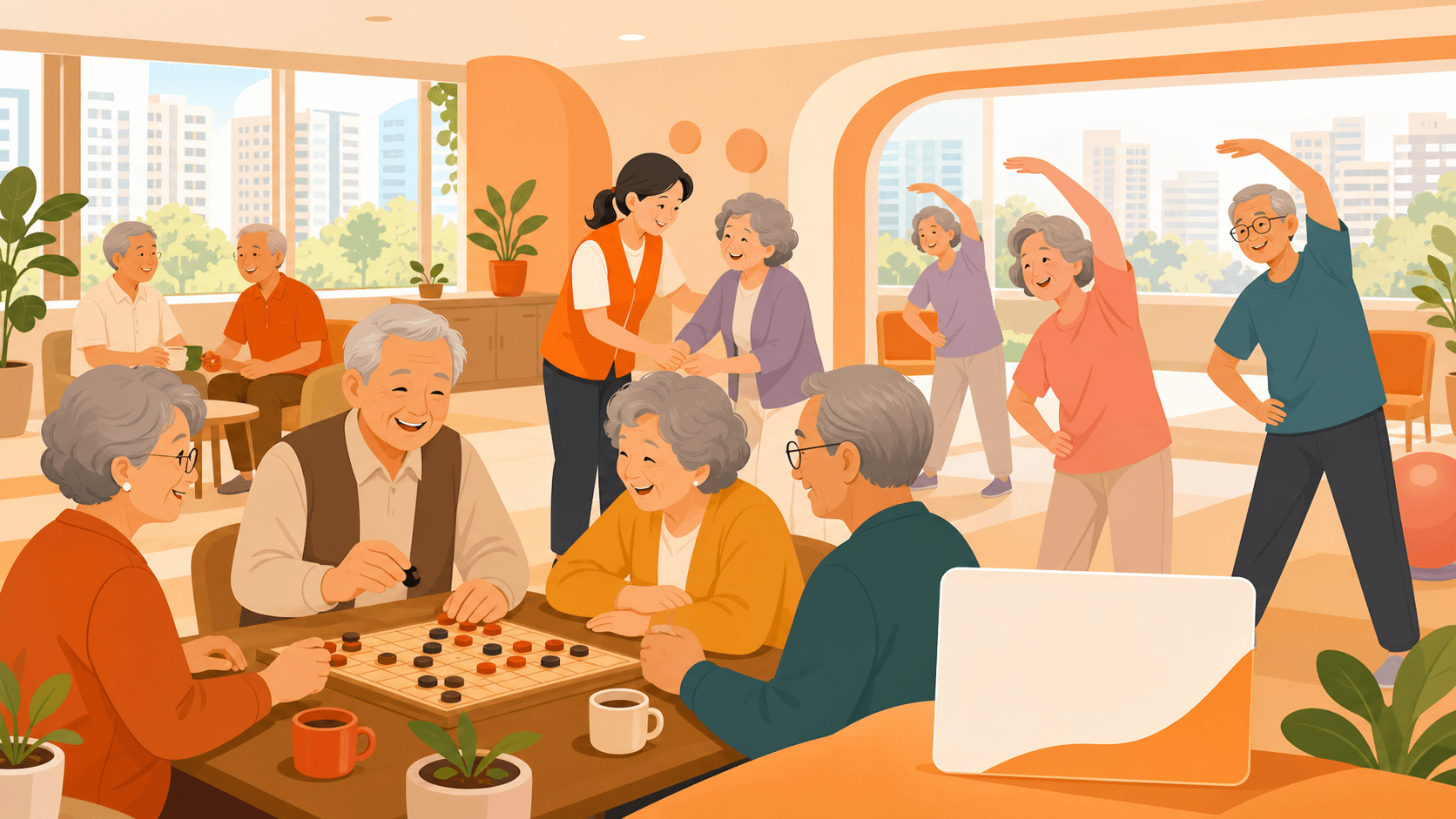
Community Care
Community Support Resources for Older People: Elderly Centres, Senior Citizen Card and Elder Abuse Help
Residential care is not the only answer for ageing parents. This guide brings together Hong Kong's community support network: District Elderly Community Centres and Neighbourhood Elderly Centres, the Senior Citizen Card, elder abuse help channels, respite services, the Community Care Service Voucher, and key hotlines for carers.
Read article
Home Types
Full Comparison of Subvented, Contract and Private Residential Care Homes
Hong Kong residential care homes include subvented homes, contract homes, Enhanced Bought Place homes and private homes, with monthly fees ranging from HK$1,660 to tens of thousands of dollars. This guide compares costs, waiting times, application routes and care levels so families can choose the right direction.
Read article
Subsidy Policy
Complete Guide to Applying for the Residential Care Service Voucher (RCSV)
RCSV lets older people use a “money-following-the-user” subsidy to choose a recognised private residential care home without waiting until they reach the top of the Central Waiting List. This guide explains voucher values, eligibility, the eight co-payment levels, covered services, and application steps.
Read article
Application Guide
Complete Guide to Applying for the Central Waiting List
More than 18,000 people are waiting, and the average wait for a care-and-attention home is 21 months. This guide explains eligibility, assessment, referral channels, and four interim options so families can plan with fewer detours.
Read article